Jump to a section
Why Your Florida Insurance Quote Feels So High
Price insurance while you compare homes in Pensacola, Gulf Breeze, Navarre and the surrounding coast. A similar sale price does not establish similar coverage or premiums. Collect the property records and ask a licensed insurance agent to quote the home and your intended occupancy.
If insurance is escrowed, the lender includes an amount for it in the monthly payment. A change in premium or an escrow adjustment can change that payment even when the interest rate stays the same. Keep the policy, escrow statement and current renewal quote together when reviewing your budget.
Compare the same coverage limits and deductibles across homes. Roof condition, documented mitigation features, location, claims information and insurer requirements can change the quote. A construction year or neighborhood name alone cannot tell you which property costs less to insure.
For the dated 2026 market figures and a practical comparison of premiums and hurricane deductibles, use the insurance renewal worksheet and source review. Bring the completed comparison to your insurance agent.
The Three Coverages a Florida Home Needs
Standard homeowners coverage
Review the proposed homeowners or condo-unit policy and its declarations. Confirm the dwelling or unit coverage, personal property, loss of use, liability, exclusions and deductible terms. Check how an association master policy and your own coverage work together. Standard homeowners policies generally exclude flood; do not assume wind coverage is included without reading the proposal.
Hurricane and wind coverage
Have the insurance agent confirm whether hurricane and other wind damage are covered, which deductible applies and how the policy defines the covered event. Florida DFS explains the calendar-year hurricane deductible for applicable policies with the same insurer or insurer group. Surplus-lines terms can differ, so use the actual policy when comparing cash exposure.
Flood insurance, always separate
No standard policy covers flood. You buy it separately through one of two paths:
- The National Flood Insurance Program (NFIP): federally backed, sold through most agents, capped at $250,000 for the building and $100,000 for contents, and priced on your specific elevation and building characteristics.
- Private flood policies can have different limits, deductibles, exclusions, waiting periods and claims terms. Compare those provisions with the NFIP quote and confirm that the lender accepts the proposed coverage.
What Actually Drives the Price
Review these items with your insurance agent; no single ranking determines every quote:
- Roof age and condition. Florida Statutes section 627.7011 limits age-only refusals for roofs less than 15 years old and provides an inspection process for older roofs. A qualifying inspection showing at least five years of useful life can prevent refusal solely because of roof age. Condition and other underwriting requirements still matter.
- Inspection findings. Ask the insurer which roof, electrical, plumbing or HVAC findings require more documentation or repairs. Obtain written requirements and contractor estimates before relying on a premium.
- Wind mitigation features. Accepted documentation can support credits. Ask the insurer which features qualify and compare the actual quoted premium before and after the credits.
- Location. Review the actual building, flood map, elevation information when available and the insurer's exposure assessment. A town label or an inland location is not a property quote.
- Construction and upgrades. Review the permits and inspection records for the actual home. A build year alone does not establish every wind-resistance feature or a FORTIFIED designation.
- Claims information. Ask the agent which loss-history records the insurer needs and how to correct inaccurate information. A prior claim does not establish a universal price increase or refusal rule.
The Two Inspections That Decide What You Pay
The 4-point inspection
A four-point report addresses the roof, electrical, plumbing and HVAC systems. Ask the insurer whether it requires the report for this home, which form it accepts and what the inspector must document. The requirement varies; it is separate from a full inspection for the purchase.
If the insurer identifies a condition that must be resolved, obtain the written requirement and a qualified contractor's scope. Discuss the repair, timing and contract options with your real estate agent before a deadline passes. A buyer should not arrange work on a seller's property without the necessary agreement and permissions.
The wind mitigation inspection
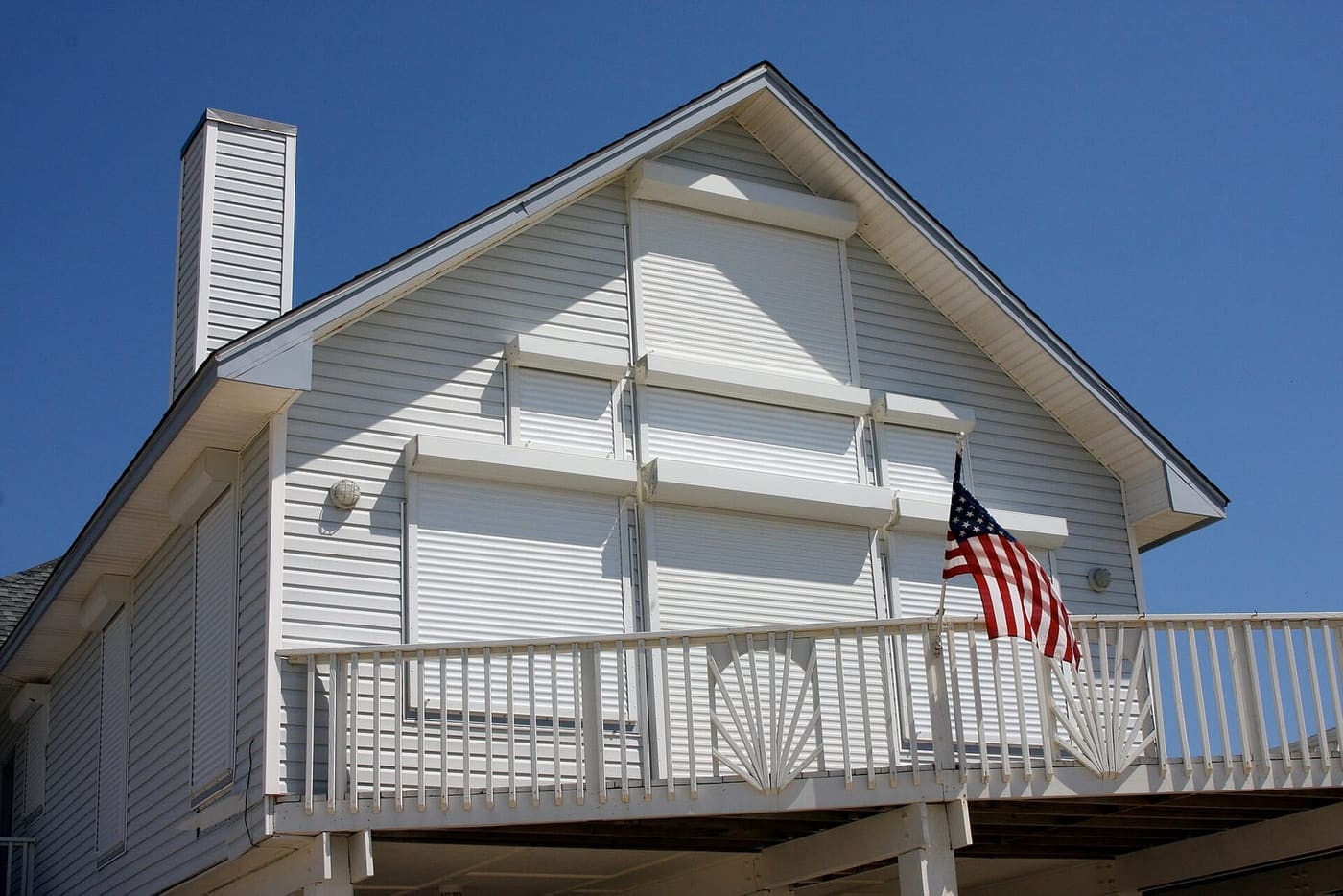
A wind mitigation report documents features the insurer uses to evaluate hurricane protection, such as roof connections, opening protection and secondary water resistance. Obtain a quote for the inspection and confirm the insurer's form and documentation requirements.
Florida requires insurers to offer qualifying mitigation credits or discounts. The amount depends on accepted documentation and the policy. Check whether the insurer accepts an existing report and ask for a written premium comparison. No inspection fee, feature or designation guarantees a fixed discount or payback period.
Flood Zones in Plain English
A lender can require flood insurance outside a FEMA high-risk zone. Citizens also has flood requirements for applicable policies under a phased schedule. Confirm the requirements of your lender and insurer for the actual home; Zone X alone does not establish that coverage is optional.
Zone X does not eliminate flood risk. Review the effective map, relevant elevation information, prior flooding disclosures and the proposed coverage. Compare a flood quote even where insurance is not required. The map is one input in a property decision, not a promise that a future storm will leave the home dry.
FORTIFIED Construction and Grant Help
IBHS publishes FORTIFIED standards with Roof, Silver and Gold designation levels. Obtain the documentation for the actual home and have a qualified evaluator explain its scope and current status:
- FORTIFIED Roof addresses the roof system under the applicable IBHS standard. A reroof permit by itself does not establish the designation.
- FORTIFIED Silver adds requirements beyond the Roof level. Confirm the applicable standard and the documented features with the evaluator.
- FORTIFIED Gold adds structural requirements, including a continuous load path. Verify the actual designation rather than inferring it from a home's age or marketing description.
Ask the insurance agent to price the accepted features or designation. If you are considering a mitigation grant, check current eligibility, funding, application and approval requirements with the program administrator before committing to work.
A contractor estimate, evaluation requirements and written insurance comparison help assess the proposed work. Certification is not automatic, and no fixed savings or payback period follows from the designation name.
When Private Carriers Say No: Citizens
Citizens has eligibility and coverage requirements that your insurance agent should review alongside private-market options. Do not assume an old roof, prior claim or declined quote automatically establishes Citizens eligibility.
Compare the terms, premium, deductibles, exclusions and applicable flood requirements for each available policy. Citizens is not automatically the most expensive option or guaranteed to be available. Your agent can explain which choices meet your property and lender requirements.
How to Read the Quote Itself
Florida quotes carry more sections and deductibles than most states. The coverage lines:
- Coverage A, Dwelling: the structure, set to replacement cost rather than market value or loan amount.
- Coverage B, Other Structures: check the proposed limits and exclusions for detached buildings, fences, docks and other improvements. Do not assume every structure is covered by a fixed percentage.
- Coverage C, Personal Property: compare the limit with your inventory and check sub-limits, valuation method and any separately scheduled items.
- Coverage D, Loss of Use: hotel and meal costs while a covered loss keeps you out of the home.
- Coverage E, Personal Liability: injury and damage claims against you.
- Coverage F, Medical Payments: small medical bills regardless of fault.
Then the deductibles, and this is where quotes are most often misread:
- All Other Perils: ask which covered events use this deductible and compare the dollar amount on each proposal.
- Hurricane deductible: calculate the dollar amount using the policy's dwelling limit, then ask how the calendar-year rule applies. Confirm the lender's requirements. It is not accurately summarized as a new full deductible for every storm.
- Wind or hail deductible: ask how wind losses outside the policy's hurricane definition are handled and whether a separate deductible applies.
Also check the endorsements: ordinance or law coverage (which pays code-upgrade costs on older homes), replacement cost rather than actual cash value on your contents, and the mold limit.
Buying? Time the Quote to Your Inspection Period
Start the insurance review during the search and resolve the insurer's conditions within the relevant deadlines in your signed contract. Ask whether the quote is conditional, what is needed to bind coverage and when coverage would start. Your agent can help coordinate inspection and repair questions with the transaction schedule.
Use one or two independent agents who can shop many carriers at once rather than relying on a single quote from a captive or lender-affiliated source. When we represent buyers, insurability questions go on the table with the offer strategy, not after it. Learn how we structure that process on our buyer page, or start browsing homes on our home search.
Facing a Renewal Increase?
At renewal, compare the current policy with available alternatives using the same limits and deductible assumptions:
- Re-shop every renewal. Carrier appetite in Florida changes constantly, and the company that was cheapest at closing is often not cheapest two years later.
- Ask whether a current wind mitigation report is accepted and whether new documentation or completed improvements would change the quote.
- Compare roof repair or replacement proposals with the condition report and written insurance options. The project may have benefits beyond insurance, but no premium saving or payback period is automatic.
- Check your claims history. Carriers price off a multi-year claims report on you and the property, and you can review your own for free once a year.
Before selling, gather roof, repair and insurance records so prospective buyers can investigate coverage promptly. Current documentation helps answer questions; it does not guarantee a sale date, premium or underwriting result.
Talk Through the Whole Cost Picture
Insurance is one piece of what a home really costs each month, and it deserves a seat at the table from your first showing, not a scramble in the last week before closing. Our team walks buyers and sellers through the full picture: price, taxes, insurance, and condition, together.
Reach out with your address or target area and we will point you in the right direction, or browse more guides in our resource library and FAQ. Military and PCS families: our companion site has a dedicated Florida home insurance guide for military families with the same ground truth applied to a military move.
Frequently asked questions
Why is home insurance so expensive in Florida?
Premiums depend on the property, coverage and insurer requirements. Compare written quotes using the actual address, condition, occupancy, limits and deductibles. A similar home price or construction year does not establish the premium, and a preliminary quote may still have conditions before binding.
Does my homeowners policy cover flooding?
Standard homeowners policies generally exclude flood. Compare separate NFIP or private flood coverage and confirm wind coverage in the homeowners proposal. A lender or insurer can require flood insurance outside a mapped high-risk zone, so Zone X does not settle the requirement.
What is a 4-point inspection?
A four-point report addresses roof, electrical, plumbing and HVAC condition. Ask the insurer whether it requires one for the home and which findings or documents must be resolved. It does not replace a full independent inspection for the purchase.
How much can a wind mitigation inspection save me?
Ask for the inspection cost and a written insurance comparison using the accepted report. Qualifying features can support mitigation credits, but the savings depend on the policy and documentation. No fixed discount or payback period is guaranteed.
What is Citizens Property Insurance and should I avoid it?
Citizens is an option only when its eligibility and policy requirements are met. Compare the actual available proposals, including flood requirements, limits, deductibles and exclusions. It is not automatically more expensive than every private policy or guaranteed to accept a property.
When should I get an insurance quote during a home purchase?
Start while considering serious properties and work through the insurer's conditions within your signed contract deadlines. Coordinate binding and the coverage effective date with the lender and title company. A generic inspection-period length does not replace the dates and rights in your agreement.
Sources and References
The rules, forms, and programs described above come from the agencies that administer them. Check any of them directly:
- Florida Office of Insurance Regulation: the regulator that reviews residential property rates and forms in Florida
- Florida OIR: CHOICES rate comparison search: sample homeowners premiums by county and carrier, worth reading before you shop
- Florida Statute 627.711: the law behind mandatory wind mitigation discounts and the uniform mitigation verification form, OIR-B1-1802
- Citizens Property Insurance Corporation: eligibility, coverage, and rate information straight from the insurer of last resort
- Florida Statute 627.351, Insurance risk apportionment plans: subsection (6) creates Citizens and sets its eligibility and rate rules
- FloodSmart, the National Flood Insurance Program: NFIP coverage limits, pricing, and what a flood policy does and does not pay
- FloodSmart: what is my flood zone: plain-language definitions of zones A, AE, VE, and X
- FEMA Map Service Center: the official flood zone determination for a specific address
- IBHS FORTIFIED Home: the Roof, Silver, and Gold standards and how a home earns each one
- My Safe Florida Home: current grant and free-inspection availability from the state program
- LexisNexis consumer disclosure, the C.L.U.E. report: the claims history carriers pull on you and on the property
← All Florida homeowner resources
Want this handled, not just explained?
We walk clients through this at closing as a matter of course. Call or text (850) 266-5005 with any question, no obligation.
Work through the next decision
Lower statewide or county averages do not establish a quote for your home. The insurance premium and deductible comparison shows how a smaller premium can come with a larger cash exposure.
Compare the insurance, flood and property tax picture across three coasts on Pensacola vs Destin vs Gulf Shores.
Check the flood zone before you buy.
Use our Flood Zone Map to search live FEMA data by address, open Escambia County’s property map, understand zone labels and compare flood insurance costs.
Review notes and official references
Insurance and property-tax guidance revised September 26, 2026. Use the responsible agency or licensed professional for a determination about your property. These rules do not establish a quoted premium, approved exemption or guaranteed saving.
- Florida Statutes section 627.7011: roof-age protections
- Florida OIR: homeowners insurance and mitigation
- Florida insurance consumer advocate: shopping for coverage
- Florida DFS: hurricane deductibles
- Citizens: flood insurance requirements
- IBHS: current FORTIFIED technical standards
- FEMA: flood zones and maps
- FEMA: who needs flood coverage